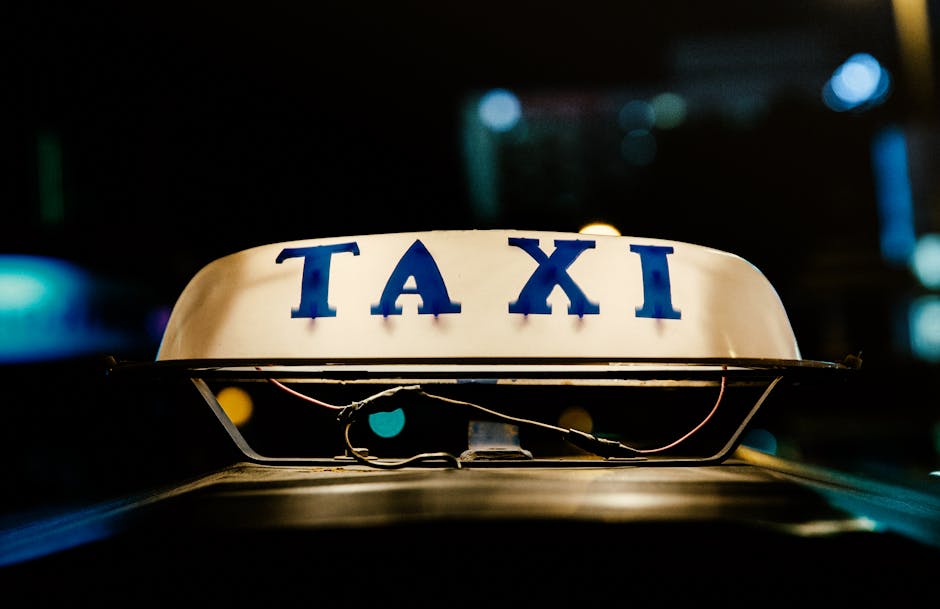
Introduction: Taxi Overcharge Penalty in Korea
Taxi overcharge penalty rules in Korea are strict, especially when it comes to protecting passengers—both locals and tourists. Overcharging can damage public trust, harm Korea’s image abroad, and, as this case shows, cost a driver their license.
On June 28, 2024, the Seoul Administrative Court ruled that revoking a taxi driver’s license for repeated overcharging of foreign passengers was lawful. The decision demonstrates that intent, frequency, and fairness all play critical roles in how the law is applied.
Case Background: When Overcharging Becomes Career-Ending
The driver, identified as “A,” was operating a private taxi in Seoul.
- First Offense (June 2022): Overcharged a foreign passenger → Received a warning.
- Second Offense (October 2022): Overcharged again → 30-day license suspension.
- Third Offense (February 2023): Overcharged a Thai couple → License revoked.
In the third incident, A claimed the extra ₩10,000 was a “tip” and not an overcharge.
Court’s Reasoning on the Taxi Overcharge Penalty
1. Fare Manipulation vs. Legitimate Tip
Judge Seo Kyung-min pointed out that the taxi meter displayed ₩72,300, while the correct fare should have been ₩62,300 (₩55,700 fare + ₩6,600 toll).
If the extra ₩10,000 had truly been a tip, the meter should have shown the correct fare, with the tip added separately.
2. Repeat Violations Trigger Revocation
The Taxi Transportation Development Act Enforcement Rules state that three fare-related violations within two years justify license cancellation. A had three in less than a year.
3. Public Interest vs. Private Loss
The court ruled that the penalty was proportionate. The driver could reapply for a license after one year, but public trust and the protection of passengers outweighed the inconvenience to A.
Legal Framework for the Taxi Overcharge Penalty
Under the Taxi Transportation Development Act (read here), drivers face:
- First offense: Warning or short suspension.
- Second offense: Longer suspension.
- Third offense within 2 years: License revocation.
This applies whether the victim is a local passenger or a tourist. The law aims to deter dishonest practices and uphold Korea’s reputation as a fair travel destination.
Why the Taxi Overcharge Penalty Is Important
- Protects Tourists and Residents: Prevents exploitation and promotes fair pricing.
- Maintains Public Trust: Honest fares encourage more taxi use.
- Supports Korea’s Global Image: Tourists who feel safe and respected are more likely to return and recommend Korea.
For related insights on passenger rights, see our internal article: Understanding Passenger Protection Laws in Korea.
Lessons for Taxi Drivers and Passengers
- Drivers: Accurate meter usage is essential; repeated violations will end your career.
- Passengers: Always ask for a receipt; it’s your evidence in disputes.
- Authorities: Strict enforcement of the taxi overcharge penalty benefits the entire transport sector.
Final Thoughts
The Seoul court’s decision reinforces that taxi overcharge penalty laws in Korea are serious and strictly enforced. Overcharging—even once—can hurt your reputation; doing it repeatedly can cost you your livelihood.
If you are a driver facing disciplinary action or a passenger involved in a fare dispute, early legal consultation can help you navigate the process.
For further advice on transportation law and passenger rights in Korea, contact Simon at simon@pureumlawoffice.com.